The beginning, one of my Heavens—Asia
Mrs. Watson, my sixth-grade teacher, is unforgettable. I can still see her: a towering, slim woman gracefully walking around the room with Lucille Ball’s curly BOB hairstyle, cat-eye rhinestone glasses, red lipstick, starched tailor blouse tucked into a tight black split mid-calf skirt, and seamed nylon hose she always straightened. Her pointed-toe stiletto heels completed her look. Her stylish clothing was a perfect portrait of a 1950s woman. But the year was 1966.
In her class, every student was required to write a report on a foreign country. While most chose a European country, I chose Korea. I don’t remember what I wrote, but I know why; I was fascinated then, and I remain fascinated by Asia’s clothing, architecture, and culture.
As a child, I watched movies and read books set in Asia. Pearl S. Buck, a renowned author who wrote The Good Earth—a best-selling novel published in 1931 that won her the Pulitzer Prize in 1932—was one person who inspired me to travel to Asia, even though I have yet to travel to her beloved China. It’s on my bucket list.
After high school and college graduation, the fond memories of a Hawaiian vacation lingered, and a growing desire to return became reality. My cousin and I boarded a colorful Braniff 747 in Dallas and flew to Oahu, not to visit, but to live.
We wanted to experience Hawaii, a melting pot of diverse cultures and history, and the most remote landmass in the world. There, I met my husband, a local boy who always wanted to live on the Big Island, the largest and least populated island in the Hawaiian chain. I gladly moved and still live here today.
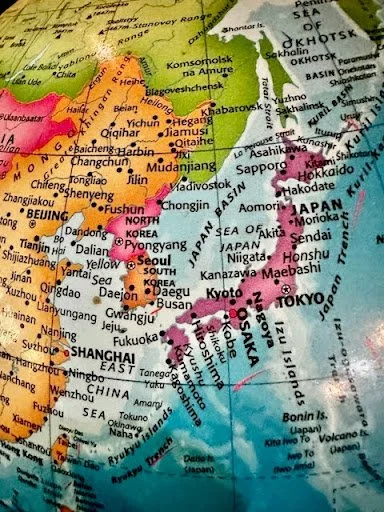
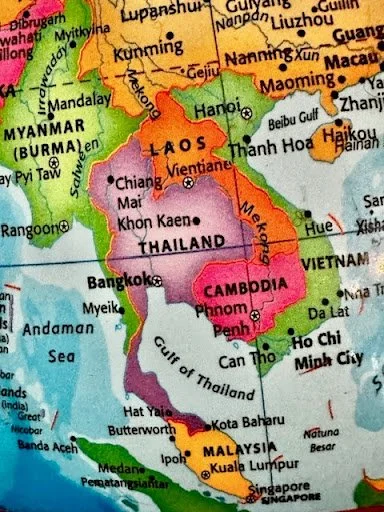
It was not until 2008, when my children were grown, and we had some money, that our friends Barbara and Ronald, seasoned travelers, convinced us to travel to Thailand, my first Asian country. Tom and I were mesmerized by Thailand, so we bought a condo and opened an import store in Hilo. We returned numerous times and traveled to other countries—Laos, Myanmar, Vietnam, Cambodia, and Japan—primarily with Barbara and Ron.
Our travels came to a quick halt in 2017 when my aging mother-in-law moved in with us. Then, the COVID-19 epidemic, a world-changing event, occurred.
Due to the high number of homebound children during the COVID-19 Pandemic, the US government expanded fiber-optic infrastructure in rural areas, including our region, enabling streaming. That’s when I discovered K-dramas on Netflix. I especially enjoyed their historical series. Not understanding their history, I began researching, and it wasn’t long before I purchased a guidebook on South Korea. As soon as the government lifted the travel ban. Barbara and I made reservations.
My blog will be more of a memoir than a travel guide about Asia. From our experiences, Asia is ever-changing, and too many years have passed for me to provide accurate recommendations. Please purchase a guidebook before you leave, as it will help with your orientation. My blog will include photos, recipes, my impression of the country, and what I learned, loved, or hated—which isn’t much.
My first blog post will be about South Korea, my last journey, instead of the first. South Korea is distinctly different from the other countries we visited, except for Japan and those in Europe. It is very modern and high-tech, except in rural areas.
We also love Korean food. Tom is a gardener and produces many vegetables, and Korean banchan is a perfect way to enjoy them.
Not only do I enjoy their food and dramas, but I also developed a soft spot for Korea as I spent many hours researching Korea for my novel, Map of a Hungry Heart, Marco Polo’s World, which has chapters set in Korea during the Goryeo era (from 912 to 1392).
Marco Polo’s friend and business partner, Kim Chin-hae, was from Goryeo and fought in the 1274 and 1281 Mongol invasions of Japan. Some sources claim that the 1281 invasion was the largest amphibious battle in history before the 1944 D-Day invasion. Several of my chapters feature these battles.
I hope you will enjoy this little part of my Heaven.
P.S. I have included a recipe, Broccoli banchan—my favorite way to have broccoli—at the end of this post.
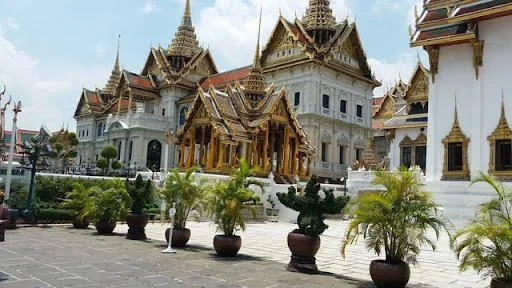
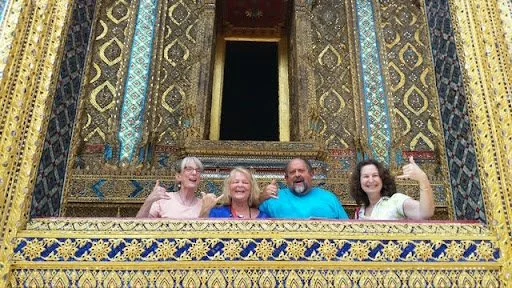
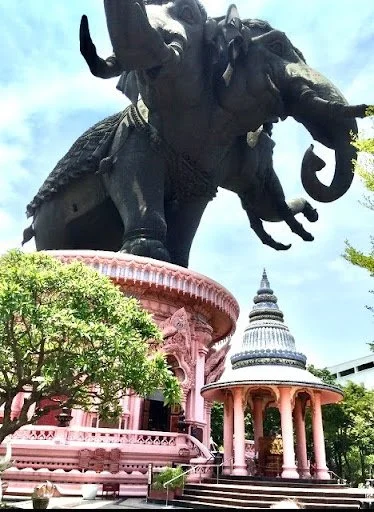
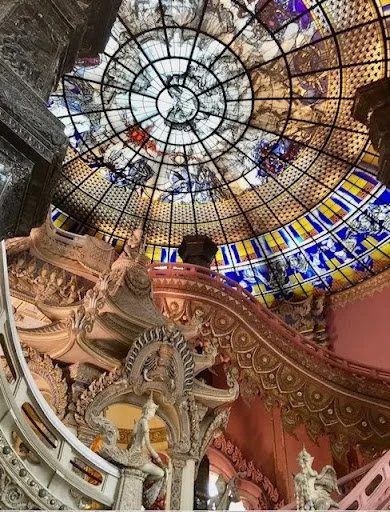
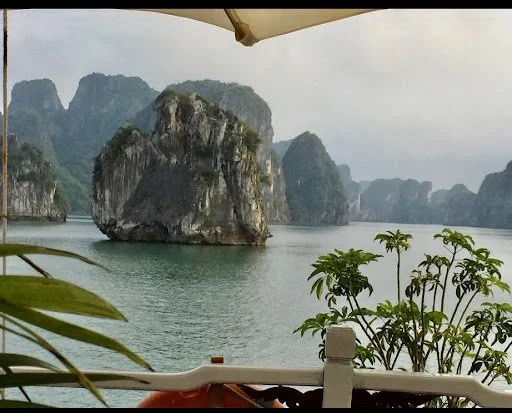
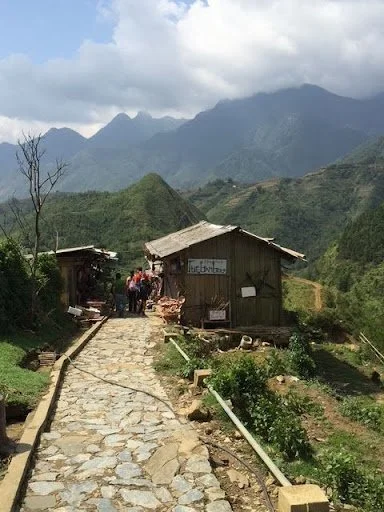
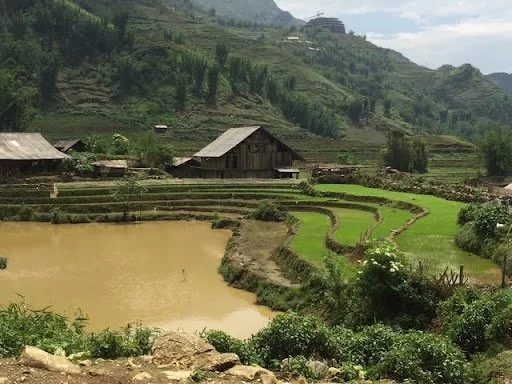
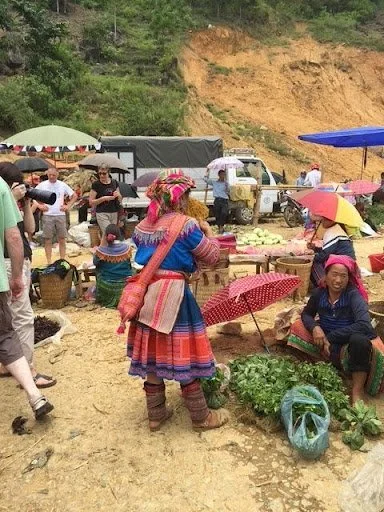
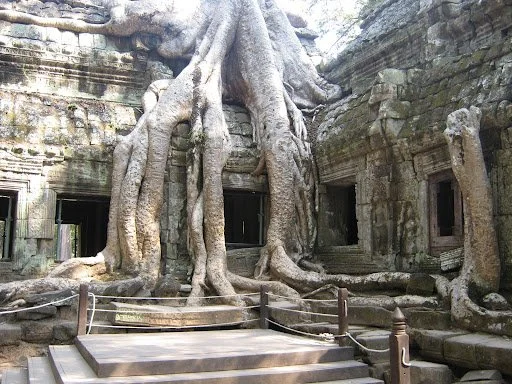
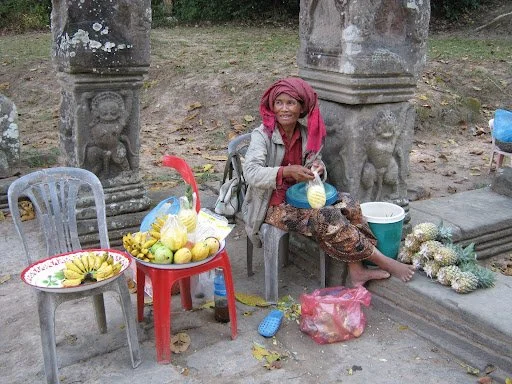
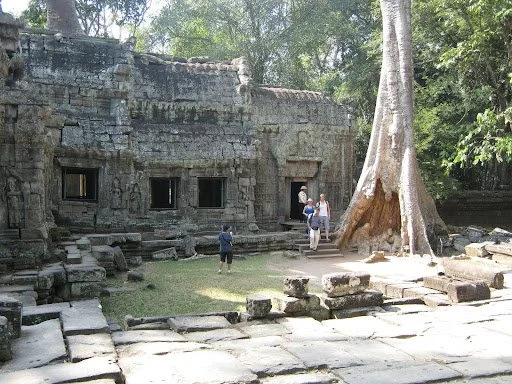
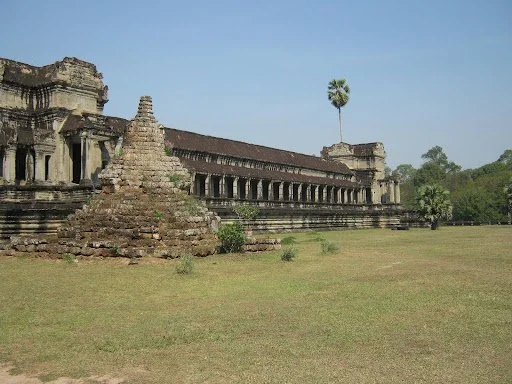
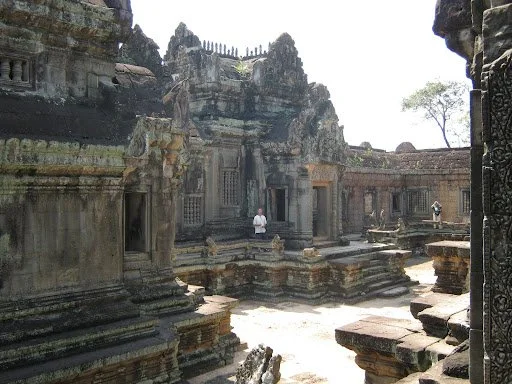
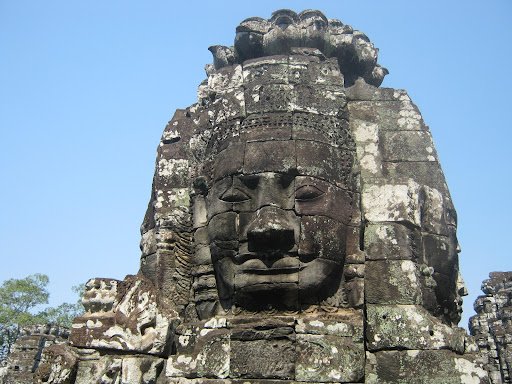
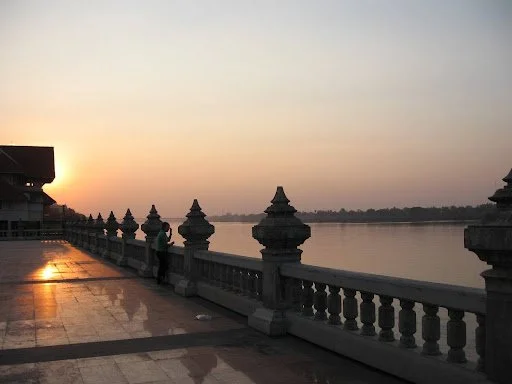
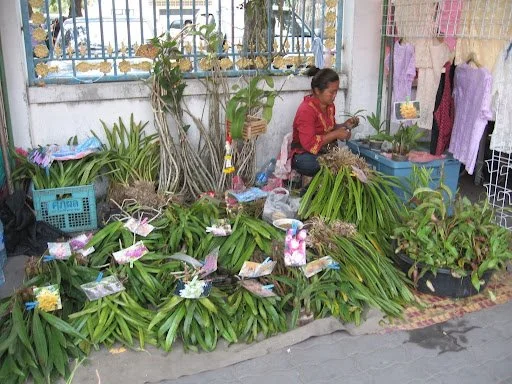
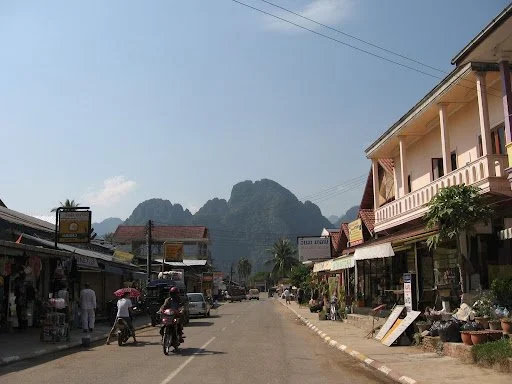
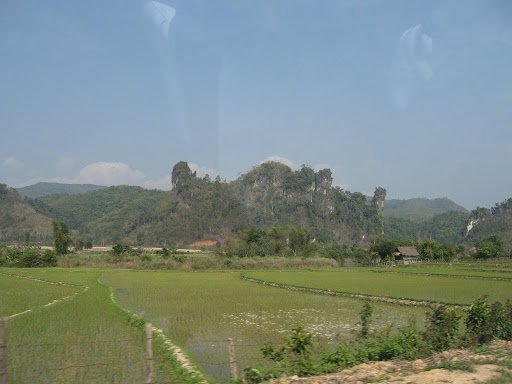
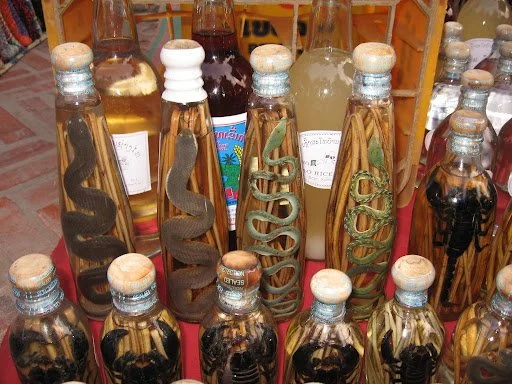
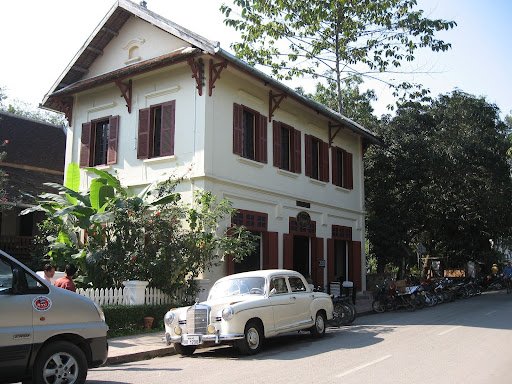
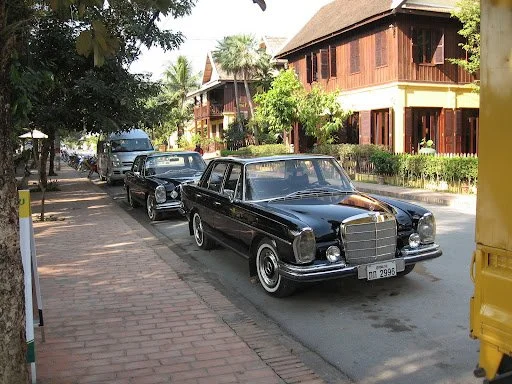
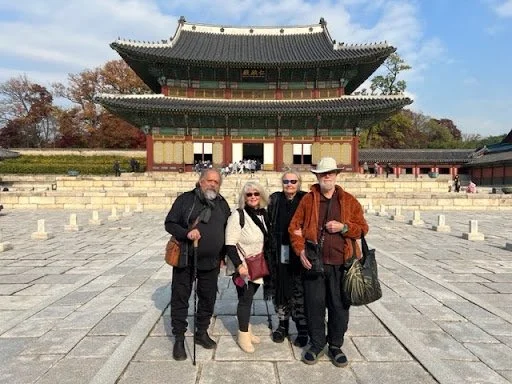
Introduction photos of the different countries we have traveled to:
Thailand, Myanmar, Laos, Cambodia, Vietnam, and South Korea

Korean Broccoli Banchan Recipe
Banchans are Korean side dishes. In Korea, they vary by district depending on what is available. The origin of this delicious tradition is believed to be Buddhist influence dating back to the Three Kingdom Era (57 BC), which encouraged vegetarianism.
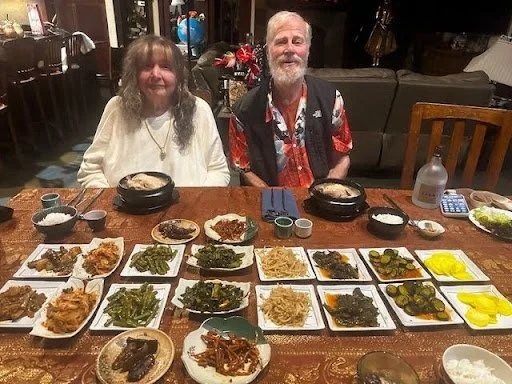
Every meal comes with side dishes, just like in the photo above, our version. We made Barbara's birthday dinner. The main dish was Samgyetang (Korean rice-stuffed chicken soup). From left to right are seasoned eggplant, kimchi, green beans, collards, bean sprouts, mustard greens, cucumbers, and diakon. There was Ueong Jorim (burdock), rice, and soju.
Most of the vegetables were grown by my husband, Tom.
Broccoli Banchan recipe
This is a very simple recipe, but delicious.
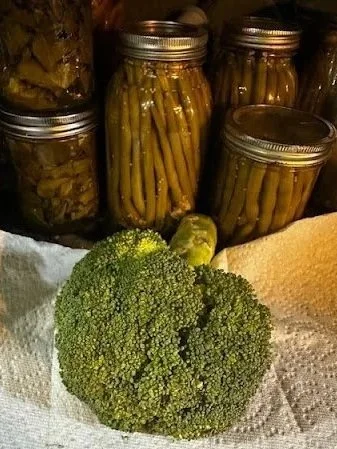
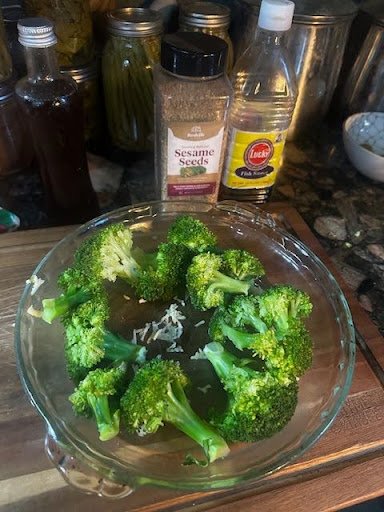
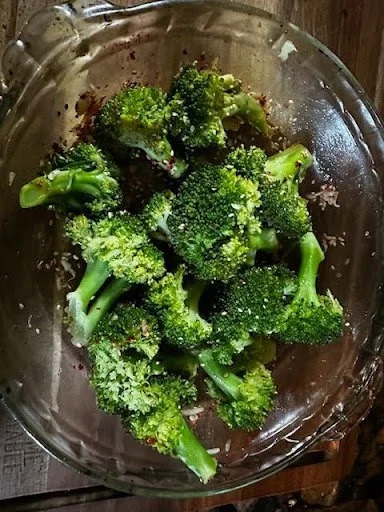
It complements any meal. So does the Kim Chi. Soon, one of the blog posts will include a recipe for homemade kimchi and Samgyetang (Korean rice-stuffed chicken soup).
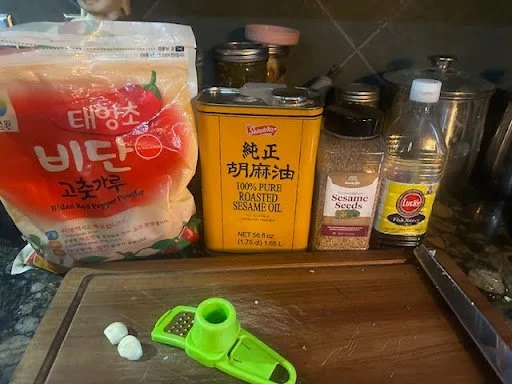
Ingredients needed
1 large head of fresh broccoli steamed
1 TBS sesame seed oil
2 cloves of grated garlic
1 tsp fish sauce(optional) or salt and shoyu to taste
1 tsp Gochugaru (Bidan) pepper flakes or powder
1 TBS toasted sesame seeds
Directions
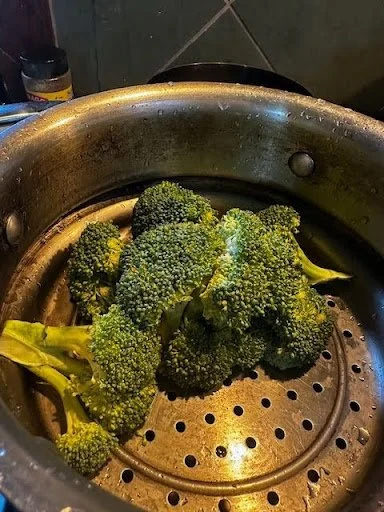
Cut the broccoli head into medium-sized pieces, rinse, and place in a steamer.
After the water has begun to boil, steam for 41/2 minutes or until just tender.
Remove from heat and rinse with cold water.
Drain and dry off with a paper towel.
Place in a bowl, add the ingredients listed above, and toss to combine thoroughly. Place in fridge until needed. Then enjoy!
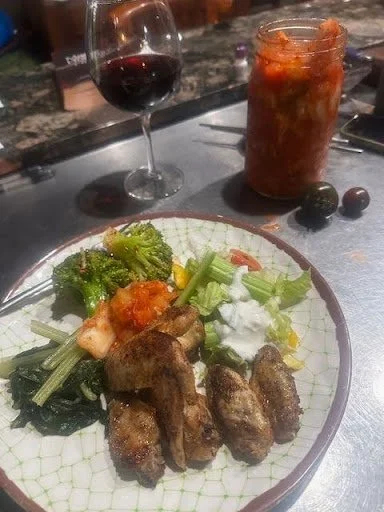
If you have leftovers, it's great the next day.