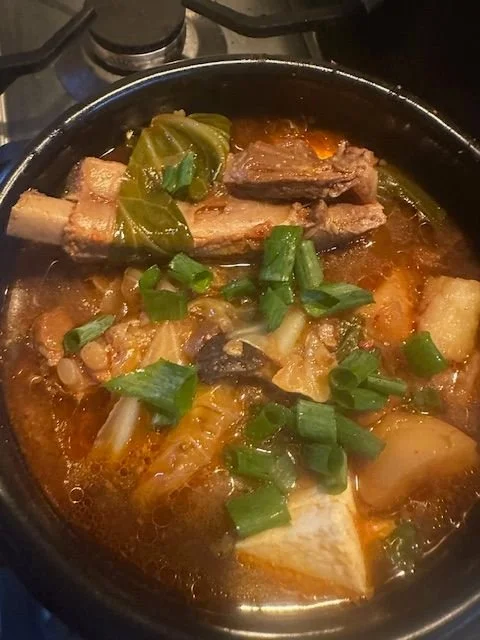
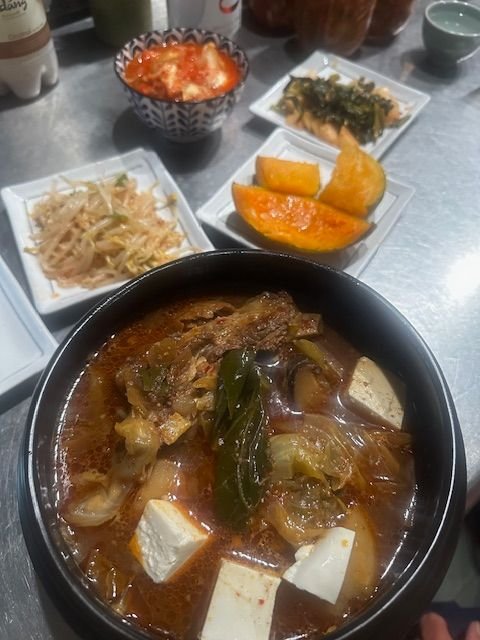
Korean Soup Recipe: Daeji Doenjang Jjigae
Aloha everyone,
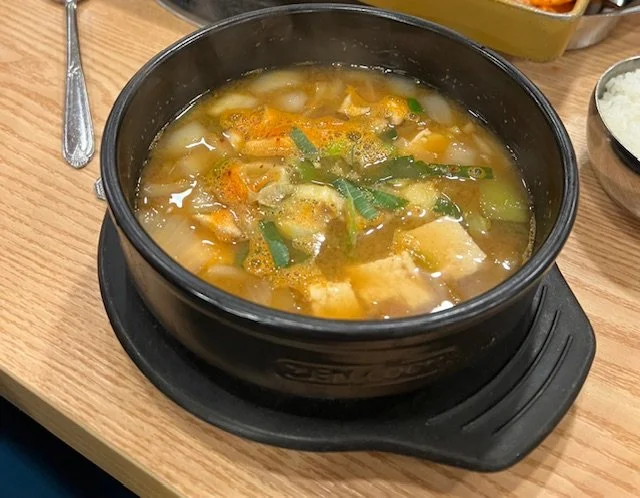
Today's recipe is Daeji Doenjang Jjigae. We were served this dish on the second day we arrived in Seoul. Soup (guk or tang) or jjigae (stew) is essential to Korean cuisine and is served at almost every meal with rice and banchans. Daeji is the Korean word for pork; Doen = thick; Jang = sauce, jjigae = stew.
Jang, a fermented dried soybean used in sauces and pastes, is key to Korean culture. As a sauce, it pairs well with vegetables and raw fish, and as a paste, it serves as the base for many Korean soups and casseroles. Doenjang’s flavor is considered a combination of saltiness, nuttiness, and tanginess.
Daeji Doenjang Jjigae is savory, hearty, and can be spicy. Besides, it is filled with many healthy ingredients. That's why it was served at one of the old-fashioned restaurants. We enjoyed it very much.
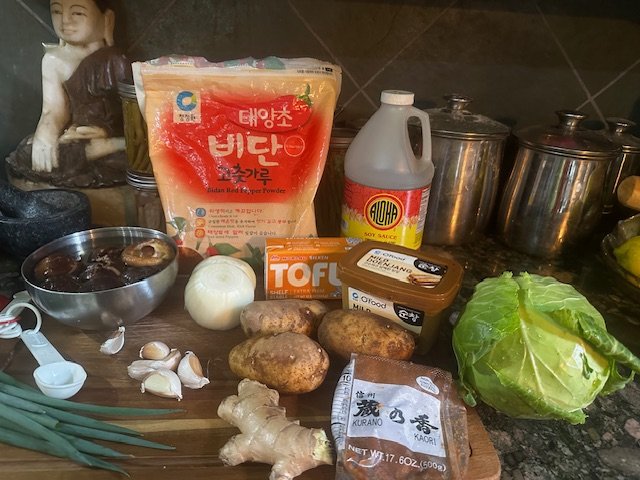
I understand these ingredients look daunting. However, if you plan to follow my blog and try some of the recipes, I suggest you purchase some of these items. It feels good to be prepared. If you live in an area that has an Asian store, most of these can be purchased there. However, Amazon has almost everything you need.
Some basic Korean food items you should have on hand: soy sauce, sesame seed oil, toasted sesame seeds, Gochugaru (Korean chili pepper flakes or powder), Gochujang paste, Doenjang paste, onions, green onions, and lots of garlic.
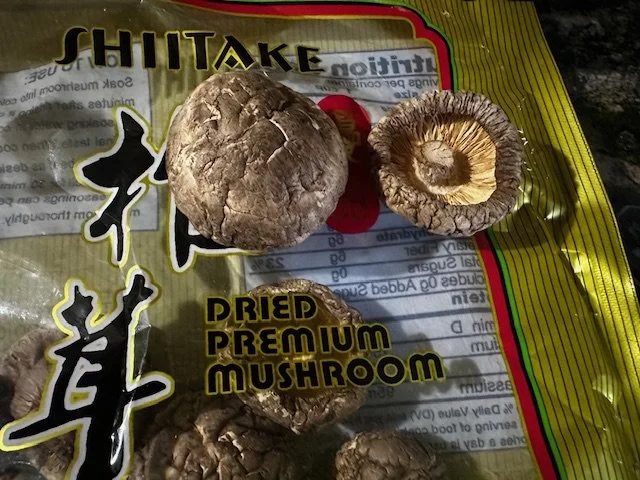
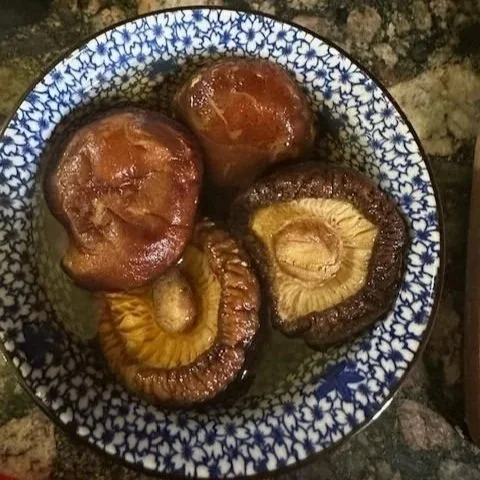
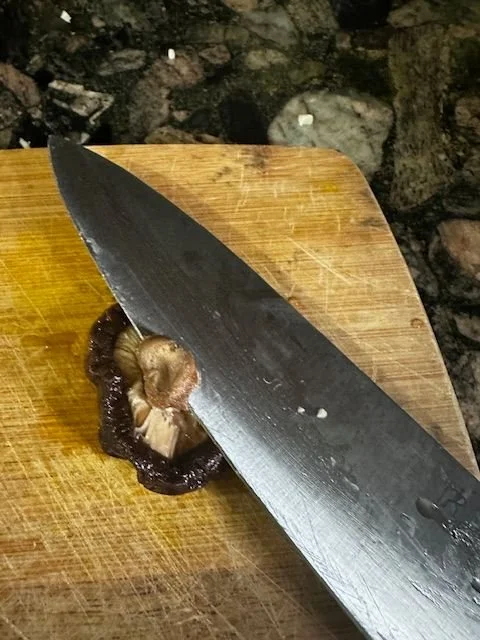
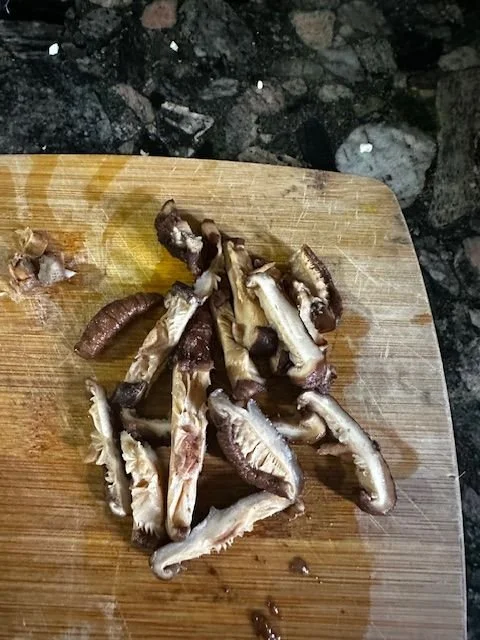
This recipe also calls for dried shiitake mushrooms. Some might not know what this is. They are used in many Asian recipes. They are just fresh shiitake mushrooms dried. Their flavors are more intense, so you don’t need a lot. Before you use them, you will need to soak them in warm water until they are soft. Approx. 30 minutes. Then, squeeze off the excess water, remove the tough stem, and slice. In some recipes, like this one or making wild rice, I add the soaking water.
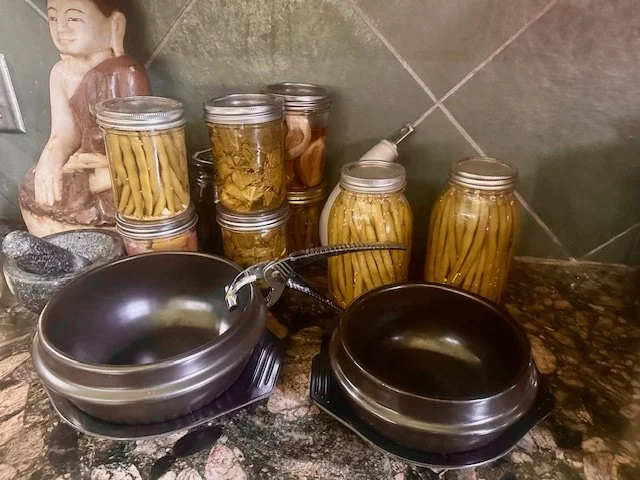
Since I am preparing a Korean stew, I should talk about bowls. The Koreans use a specific bowl for soups or stews—a Ttukbaegi (Clay pot)—to keep the food sizzling hot until the last bite, and a rice bowl called Dolsot (Stone bowl) that creates a crunchy, delicious burnt crust on the bottom. They can be placed directly on your burner, then removed with a tool called Korean Hot Pot Tongs.
These traditional earthy bowls are important in Korean cuisine, accomplishing functional cooking and a classic dining experience.
My husband and I love to cook and enjoy different cuisines. So we prepare dinner almost every day. Plus, we live in an area with limited restaurants and high prices.
Korean foods grace our table numerous times a month.
Please note: I am not Korean, I just love the place and their food. I would never compare my cooking to that of a Korean chef, mom, or dad. My recipes are tailored around their recipes and our taste buds.
Ingredients
1 to 2 lbs of pork ribs (You can use pieces of pork, but we prefer the bones as they make a delicious, heartier broth.)
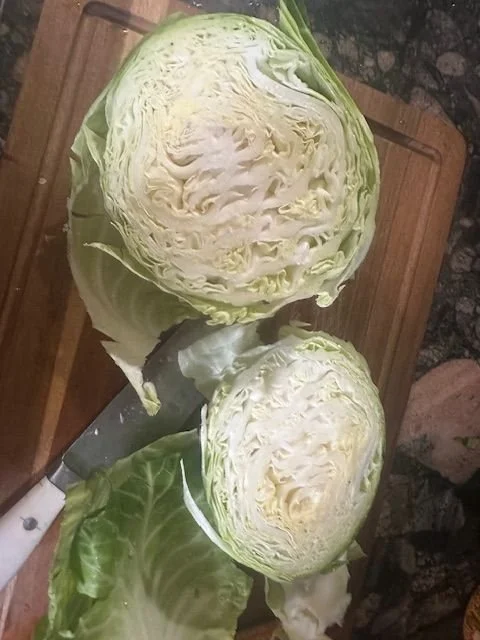
½ small napa cabbage chopped into 2x2 squares
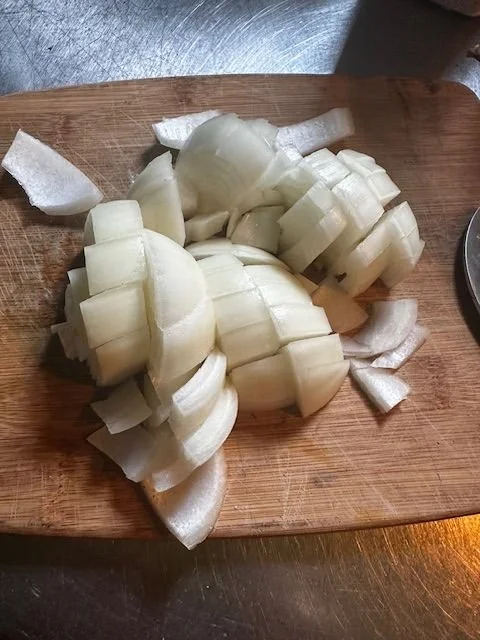
1 medium onion, chopped
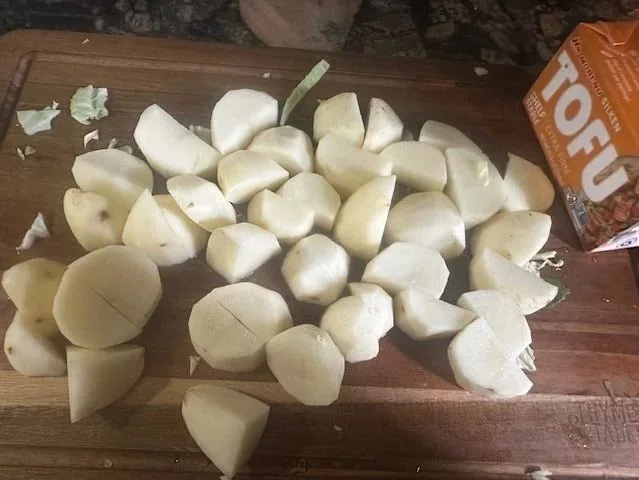
4 potatoes peeled and cubed
2 whole dried shitake mushrooms sliced
7 whole garlic cloves
1 thumb-sized piece of ginger, peeled
10 to 12 cups of water
2 boxes of 10 oz. firm tofu. Some like medium-firm or even soft; it depends on your taste.
1 TBSP soup soy sauce (guk ganjjang). This is one ingredient I do not have. I used regular. I’m sure a Korean citizen would say this is a big no-no. I will explain later.
1 ½ TBSP doenjjang paste
1 ½ TBSP miso paste
⅛ tsp black pepper
1 to 3 tsp Gochugaru (red hot pepper flakes)
1 whole hot green pepper(optional
2 bunches of scallions (green onions), 2” long
This is where I will explain why using regular soy sauce is a no-no. Some Korean cuisine requires a clear soup base. Daeji Doenjang Jjigae is really not one of them. Guk ganjjang is a lighter soy sauce, saltier, and creates a more savory liquid with an intense umami flavor without darkening its color.
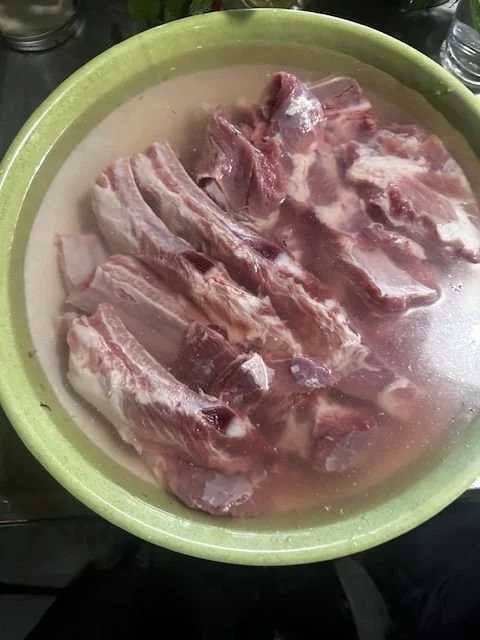
A quick story. As I watched Korean K-dramas, I noticed they love to showcase their food and sometimes the recipes. In several dramas, I saw them soak certain meats in water several times and then drain them before cooking. I was curious, so I looked it up. I found that this is to eliminate blood, specifically the red pigment myoglobin, and reduce impurities, which can create grey murky scum during boiling, and not the desired clear, non-gamey broth.
One of the most interesting cooking shows I watched was Jinny’s Kitchen, especially the one filmed in Iceland. It is a reality show that features several of their famous actors, including Park Seo-joon and Choi Woo-shik, who enjoy cooking. In this series, they traveled to Iceland, opened a Korean restaurant for a week, and cooked and served all the food themselves. They show all their recipes.
Directions
1. In a bowl, soak the ribs, which had been cut into pieces, in cold water for an hour, then drain, then resoak for another 30 minutes. Set it aside for later.
2. Soak your dried Shitake mushrooms in warm water until soft (about 30 minutes). Then, squeeze out the excess water, remove the tough stem, and slice into thin pieces.
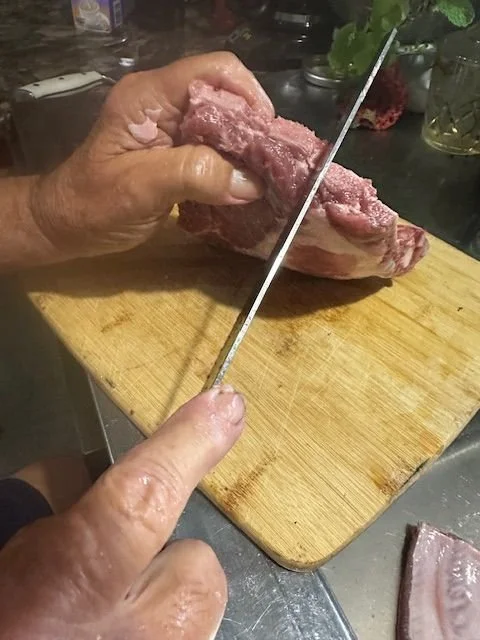
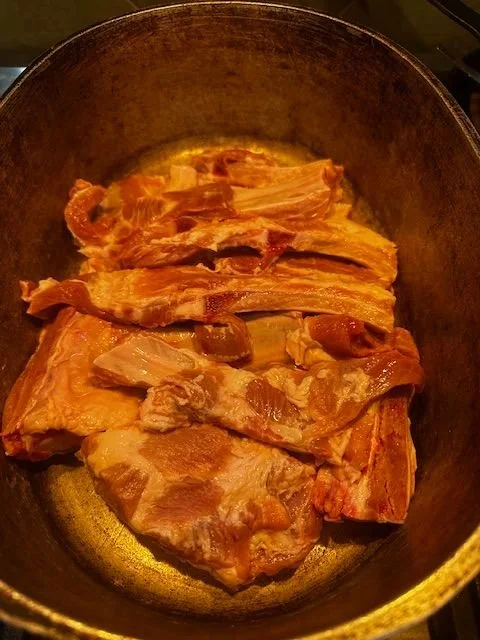
3. Place the ribs in a pot of water, just enough to cover them. Bring to a boil, then cook for 5 minutes. Discard the water, rinse the ribs, drain them, and set them aside. This is where my husband disagrees. He feels you are throwing out the flavors of the pork. Use your own discretion here.
4. In a large stock pot, fill with about nine or ten cups of water and bring to a boil. Add the whole garlic and ginger, then add the pork ribs, and cook, covered, until the pork is almost tender. Cooking time will vary depending on the type of pork ribs you use.
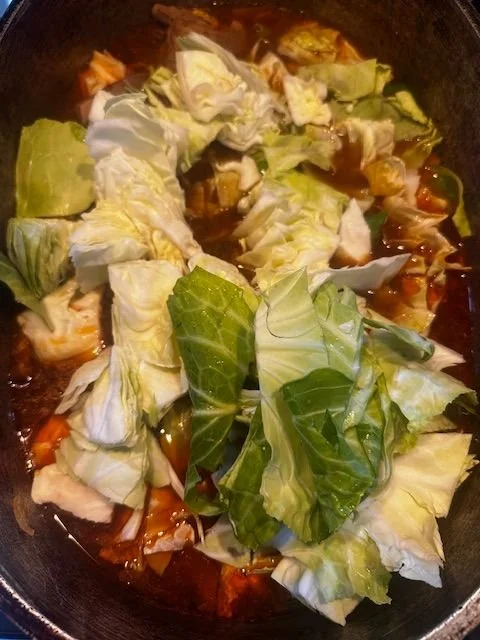
5. Then add your onion, cabbage, doenjang, miso, red hot pepper flakes, black pepper, soup soy sauce, mushrooms, and boil on high, covered. Approx. 10 minutes, then add potatoes if your pork is tender. Then cook potatoes until desired softness.
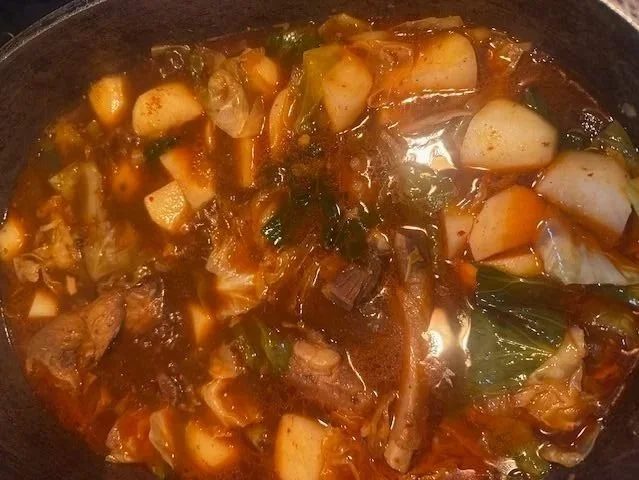
6. Add your tofu and cover for another 5 minutes.
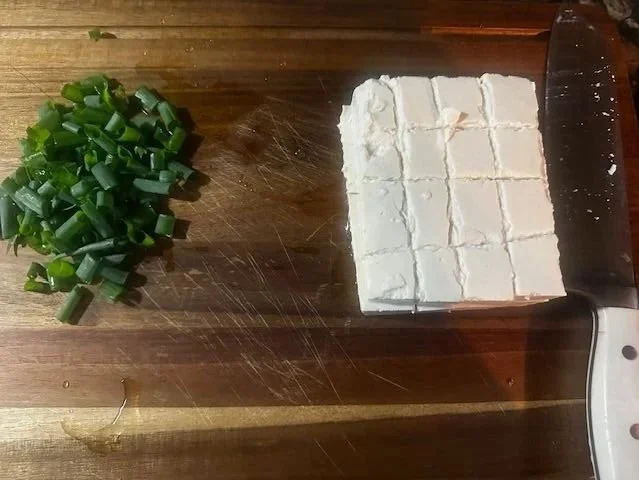
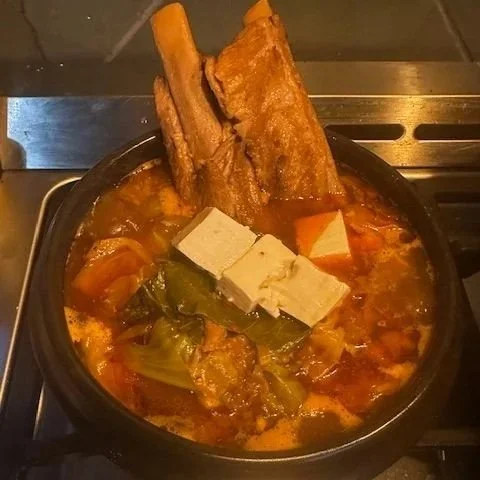
7. Remove from heat, garnish with green onions and the hot green pepper (optional), and enjoy.